The "Animal Production" course is designed to provide students with a comprehensive understanding of the principles and practices involved in the raising and management of livestock. This course covers a variety of topics, including animal physiology, nutrition, breeding strategies, health management, and welfare considerations. Students will learn how to optimize production systems while promoting sustainability and ethical practices in the livestock industry.
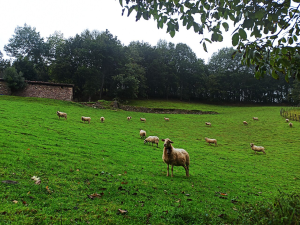
Throughout the course, participants will explore different types of livestock, such as cattle, sheep, pigs, and poultry, focusing on their unique requirements and contributions to agricultural systems. Emphasis will be placed on best management practices that enhance productivity, improve animal health, and minimize environmental impacts. Practical sessions and case studies will provide hands-on experience, enabling students to apply theoretical concepts in real-world settings.
In addition, the course will address current challenges facing the animal production sector, including disease management, climate change, and food safety. Students will engage in discussions about innovative technologies and practices that can enhance animal production efficiency while ensuring responsible stewardship of resources.
By the end of the course, students will have developed a solid foundation in animal production principles, preparing them for careers in agriculture, research, or policy-making. They will be equipped with the skills necessary to contribute to the future of sustainable animal agriculture and improve food security globally.